

Exploring Virtual Reality (VR) and Augmented Reality (AR)
Virtual Reality (VR) and Augmented Reality (AR) stand at the forefront of digital innovation, redefining the way people engage with technology and their surroundings. Below is a detailed exploration of both technologies, their components, applications, and key considerations.
Virtual Reality (VR)
What It Is
Virtual Reality transports users into a computer-generated environment that can replicate real-world settings or imaginative landscapes. Through specialized headsets and controllers, individuals can interact with and navigate these immersive digital worlds, experiencing a heightened sense of presence.
Core Elements:
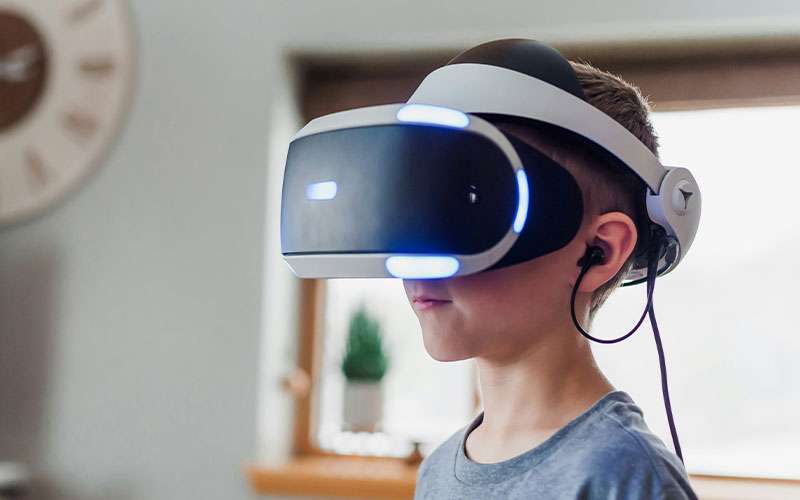
- VR Head-Mounted Displays: Devices such as Meta Quest, HTC Vive, or PlayStation VR provide stereoscopic visuals and motion tracking, creating the illusion of depth and immersion.
- Handheld Controllers: Track gestures and movements, enabling precise interaction with the simulated environment.
- Haptic Interfaces: Deliver touch-based feedback, enhancing realism by allowing users to “feel” virtual objects and textures.
Practical Uses:
- Interactive Entertainment: Immersive gaming, cinematic VR films, and virtual tours.
- Training and Education: Medical simulations, flight training, and interactive classroom experiences.
- Healthcare: Tools for pain management, psychological therapies, and patient rehabilitation.
- Real Estate & Architecture: Virtual building tours and 3D model visualization.
- E-Commerce: Virtual product experiences and digital showrooms.
Strengths:
- Immersive Engagement: Creates an unparalleled sense of presence.
- Risk-Free Learning: Ideal for simulations and training without real-world dangers.
- Creative Opportunities: Enables groundbreaking approaches in gaming, design, and storytelling.
Limitations:
- Expense: Hardware and content creation often come with high costs.
- Barriers to Entry: Requires strong hardware support and can induce motion discomfort for some.
- Content Gaps: Fewer high-quality experiences compared to mainstream media.
Augmented Reality (AR)
What It Is
Augmented Reality integrates digital visuals and data into real-world settings, enriching the user’s surroundings instead of replacing them. This is achieved primarily through smartphones, tablets, or smart glasses.
Core Elements:
- AR-Enabled Devices: Smartphones, tablets (with ARKit/ARCore support), and wearable devices like Microsoft HoloLens or Magic Leap.
- Sensors and Cameras: Capture and analyze real-world environments to accurately position digital layers
- Development Platforms: Software frameworks such as Vuforia, Unity, and ARCore/ARKit enable the design of AR experiences.
Practical Uses:
- Retail & Shopping: Virtual try-ons, 3D product previews, and interactive store layouts.
- Learning & Training: Enhanced textbooks, educational games, and visual learning experiences.
- Medical Field: Surgical assistance, anatomy exploration, and patient engagement tools.
- Navigation: Real-time overlays for directions, landmarks, and location data.
- Advertising & Branding: Immersive marketing campaigns and AR-powered product packaging.
- Gaming: Experiences like Pokémon GO that merge digital play with real environments.
Strengths:
- Ease of Access: Runs on widely used devices like smartphones.
- Real-World Integration: Provides information and interactivity without isolating users.
- Wide Application Range: Adaptable across education, healthcare, retail, and beyond.
Limitations:
- Privacy Concerns: Risks around data collection and personal information.
- Technical Boundaries: Relies on device capabilities and software precision.
- Experience Quality: Often less immersive than VR, with potential interface complexities.
Closing Insights
Virtual Reality and Augmented Reality each deliver groundbreaking ways to experience and interact with digital media. VR offers fully immersive, simulated environments, while AR enriches physical surroundings with digital enhancements. Together, they are revolutionizing industries including education, healthcare, retail, and entertainment, unlocking new opportunities for businesses and consumers alike.