

We are a results-driven digital marketing company dedicated to helping businesses thrive in the online world.

Outsmart, Outrank: Competitor Analysis for Digital Success

Dominate the Digital Arena: Smart Competitor Analysis In today’s rapidly evolving digital landscape, success isn’t built on creativity alone—it demands a smart, strategic approach. Among the most impactful strategies at your disposal is competitor analysis. By examining the moves of your industry rivals, you can identify hidden opportunities, sidestep costly pitfalls, and craft a roadmap that positions your brand ahead of the curve. This article explores the true value of competitor analysis, the steps to execute it effectively, and how to transform competitive insights into actionable strategies that fuel sustainable digital growth. Competitor Analysis: Unlocking the Edge in Digital Growth In today’s fast-moving digital arena, brands aren’t just competing, they’re battling for attention, influence, and conversions. Standing out requires more than creative campaigns; it demands strategic foresight. That’s where competitor analysis becomes a game-changer. Instead of replicating what others do, it empowers you to uncover success patterns, identify blind spots, and transform insights into powerful strategies. By mapping both the strengths and vulnerabilities of your competitors, you position your brand to make smarter moves, seize opportunities, and secure a stronger foothold in the market. Key Advantages of Competitor Analysis Uncover Market Openings: Detect weak spots or overlooked areas in competitors’ strategies and use them to your brand’s benefit. Set Clear Benchmarks: Evaluate your performance against industry leaders to understand where you stand. Spot Emerging Opportunities: Stay ahead of the curve by tracking new methods and tactics others are experimenting with. Enhance Strategic Focus: Save time and resources by steering clear of approaches that have already proven ineffective. Think of it as strategic intelligence, the deeper you’re understanding of the competition, the sharper your ability to make informed moves and stay one step ahead. Framework for Conducting Competitive Research To gain meaningful insights, the first step is to clearly define who you are competing with in the market. Not every business in your space is a direct threat, some are challengers targeting your exact audience, while others offer alternative solutions that could still divert potential customers. Map Out Market Players Start by creating a clear picture of who operates in your space. Not all competitors are equal: Core Competitors: Those offering similar solutions to the same target audience. Alternative Competitors: Businesses solving the same customer problem in different ways. Use research methods and tools such as: Keyword Searches: Review search engine results for your target terms to identify consistent players. Industry Communities & Social Platforms: Track discussions, hashtags, and thought leaders to uncover active competitors. Market Intelligence Tools (e.g., SimilarWeb): Analyze audience overlap, traffic sources, and digital presence. Tip: Keep your list limited to a handful of significant competitors to ensure you can analyze them thoroughly without losing focus. 2. Evaluate Their Website and Search Visibility A competitor’s website can serve as a powerful source of intelligence, revealing how they attract, engage, and convert their audience. By dissecting their digital presence, you gain actionable insights that help you strengthen your own strategy. Key areas to review include: Content Approach: What themes or topics do they prioritize? Are they consistently publishing blogs, guides, or resources that keep their audience engaged? Keyword Positioning: Tools such as SEMrush, Ahrefs, or Ubersuggest can highlight the keywords they rank for and where their organic traffic comes from. User Experience: Assess design, navigation, site performance, and mobile responsiveness to understand how user-friendly their platform is. Link Authority: Explore which domains are linking back to them using tools like Moz or Ahrefs. Strong backlinks often indicate credibility and higher visibility in search results. Professional Insight: Conduct a free SEO audit (e.g., with SEOptimer) to uncover gaps in their technical SEO or content strategy. These weaknesses often translate into opportunities for your brand to outperform them.   3. Assess Their Paid Marketing Strategies Competitors’ paid campaigns provide valuable clues about where they are focusing their efforts and budget. By studying their advertising approach, you can uncover insights to refine your own strategy. Key areas to examine include: Search Advertising: Tools such as SpyFu or SEMrush can help you identify the keywords they’re bidding on, the type of ad copy they use, and the landing pages they drive traffic to. Display Campaigns: Platforms like Adbeat or Moat allow you to review their banner ads, creative formats, and placement strategies, giving you a sense of how they aim to capture audience attention. Spending Patterns: Frequent ad appearances may indicate significant investment. This helps you assess whether you should compete head-to-head or identify a niche they may have overlooked. Opportunity Gaps: Look for keywords, channels, or audience segments they are not targeting. These often present cost-effective opportunities for your brand to gain traction.  Pro Tip: Don’t just replicate their campaigns, analyze the gaps and position your brand strategically to achieve higher impact with smarter spending.   4. Analyze Their Social Media Footprint Social media is often the frontline where brands engage, influence, and build relationships with their audience. By reviewing your competitors’ activity across platforms, you can gain valuable insights into what’s working for them, and how to differentiate your own approach. Key aspects to evaluate include: Platform Presence: Identify which channels they prioritize—whether it’s Instagram, LinkedIn, TikTok, or others, and how actively they engage on each. Content Strategy: Observe the types of content they share, such as videos, info graphics, stories, or carousel posts. Pay attention to what generates the highest interaction in terms of likes, comments, shares, or saves. Community Engagement: Assess how they communicate with followers. Do they reply promptly, encourage discussions, or nurture an online community, or are they simply broadcasting? Promotional Activity: Keep an eye out for sponsored posts or paid campaigns to understand how they’re investing in social advertising and which audiences they’re targeting. Expert Tip: Use tools like BuzzSumo to uncover their most engaging posts across platforms. This helps you identify content formats and themes that resonate with audiences, and spot opportunities to do it better.   5. Consolidate Insights and Implement Strategy Once your research is complete, organize the information into a SWOT

Read More

The Ultimate Guide to Business Branding: Building a Strong Identity for Success

Mastering Business Branding: Shaping a Distinct Identity for Growth    Building a Distinctive Brand Identity: A Professional Guide for Lasting Success In today’s fast-paced marketplace, branding is no longer optional, it’s a necessity. A strong brand extends far beyond a symbol or slogan; it represents the full perception people hold about your company. It defines how you’re recognized, why you’re trusted, and what keeps clients engaged over time. Whether you’re a new venture or an established business aiming for renewal, mastering the fundamentals of branding is key to long-term growth.  What Does Business Branding Mean? Branding is the art and science of shaping a unique presence for your company. It incorporates your mission, vision, guiding principles, visual identity, communication style, and customer experience. It tells your audience what your business stands for and why you’re the right choice. More than design, branding builds emotional resonance. When customers feel aligned with your values, they don’t just buy from you, they advocate for you.  Core Components of Strong Branding   1. Define Your Identity Clearly Begin by outlining your mission, vision, and values. Clarify what your company stands for, what problems it solves, and who your audience is. This foundation drives every creative and strategic branding decision.  2. Establish a Distinct Visual System Your colors, logo, typography, and imagery represent your business visually. These elements must remain consistent and reflect your personality. A financial consultancy might select clean, authoritative visuals, while a lifestyle brand may lean toward vibrant, approachable tones. 3. Develop a Recognizable Voice Your tone of communication should mirror your brand character. Are you authoritative and formal, or friendly and conversational? Consistency in voice builds familiarity and strengthens customer trust across all channels. 4. Share a Relatable Story People connect with stories more deeply than products. Share your origin, your challenges, and the reason behind your business. A story rooted in authenticity makes your brand memorable and human. 5. Prioritize the Customer Journey Every interaction shapes perception, from your website and social media to service quality and packaging. Ensure each touchpoint reflects your values and creates a positive, consistent experience. Practical Steps to Build a Resilient Brand    Study Your Audience: Gather insights about your customers, their needs, aspirations, and behaviors. Use surveys, feedback, and data analysis to understand what drives their decisions. 1. Assess Market Competitors Look closely at your competitors’ strategies to identify opportunities for differentiation. Your goal is not to imitate, but to carve a space that only your brand can own.  2. Create a Cohesive Visual Identity Collaborate with professionals or leverage design platforms to develop a unified system, logos, fonts, and graphics that adapt across digital and physical formats.  3. Build a Brand Manual Document your guidelines for visuals, tone, and communication. This ensures consistency across marketing materials, advertising, and internal messaging.  4. Strengthen Your Digital Presence Launch a professional website, maintain active social profiles, and publish valuable content that amplifies your message. Incorporate SEO and digital campaigns to expand visibility.  5. Cultivate Engagement Engage with customers by fostering two-way communication. Listen to feedback, reply to reviews, and create content that provides real value. Relationships are built on consistent interaction. 6. Evolve with the Market Branding is an ongoing process. Regularly review your strategy, stay aware of trends, and adapt without losing sight of your foundation. Continuous improvement ensures relevance.  Conclusion: A strong brand is a strategic asset, not just a creative exercise. It’s about shaping perceptions, building trust, and creating loyalty that lasts. By defining your purpose, crafting a clear identity, maintaining consistency, and evolving thoughtfully, you can establish a brand that not only stands out today but also endures in the future.

Read More

The Power of Location-Based Marketing: How to Reach Your Customers at the Right Place and Time

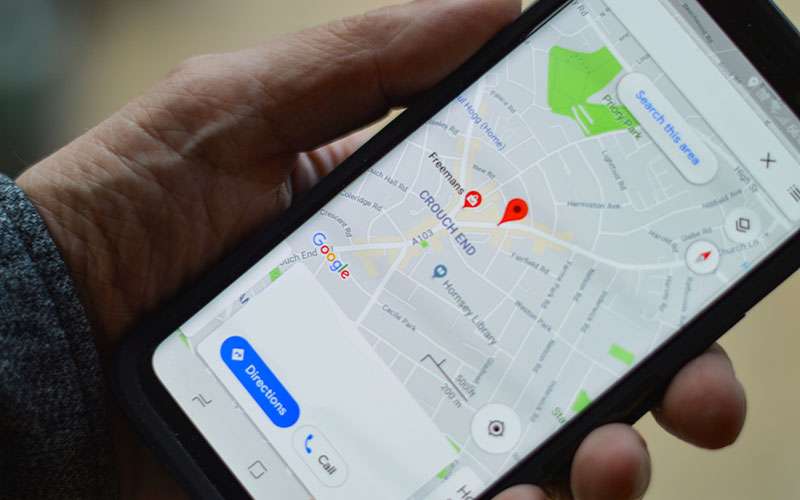
The Impact of Location-Based Marketing: Connecting with Customers at the Right Moment   In today’s digital-driven marketplace, timing and relevance are everything. Consumers expect brands to deliver experiences that feel personal and immediate. Location-based marketing (LBM) makes this possible by harnessing geographic data to provide tailored messages, promotions, and interactions at precisely the right place and time. Whether you’re running a local business, managing large-scale campaigns, or simply exploring new marketing strategies, understanding this approach can reshape the way you engage with your audience. Defining Location-Based Marketing Location-based marketing refers to the use of a customer’s physical position to deliver targeted and timely communication. By tapping into GPS, Wi-Fi signals, Bluetooth beacons, and IP tracking, businesses can identify where users are and share content or offers most likely to influence them in that moment. Picture this: you walk past your favorite café, and a notification appears on your phone inviting you to enjoy a discount on your usual latte. Or you arrive at a shopping mall and instantly receive personalized deals from the stores you visit most often. That’s location-based marketing in action, seamless, relevant, and contextual. How Location-Based Marketing Operates Businesses deploy multiple methods to integrate location into their strategies. The most common include: Geofencing – Establishing a digital boundary around a physical area (like a store or event venue). Customers crossing this boundary receive targeted ads or alerts. For instance, a fast-food chain could trigger lunchtime promotions to users entering its nearby zone. Beacon Technology – Small Bluetooth devices placed inside stores or public spaces send signals to smartphones within close range. This allows for hyper-local engagement, such as directing a shopper toward a product display or offering in-store discounts. Geo-Targeting – Broader than geofencing, this method delivers different ads or content to audiences based on city, state, or region. For example, a national retailer may highlight winter apparel in colder regions and promote summer clothing in warmer areas simultaneously. Advantages of Location-Based Marketing Adopting LBM provides several competitive benefits: Personalized Messaging – Content delivered with real-time context feels more relevant, strengthening brand connection and driving higher response rates. Greater Engagement – Location-based campaigns tend to generate stronger click-through rates and better campaign performance because they reach people when intent is highest. Enhanced Customer Journeys – Timely offers, recommendations, or updates improve satisfaction and create memorable interactions, leading to long-term loyalty. Actionable Insights – Businesses can analyze data on foot traffic, dwell time, and customer preferences, using these insights to refine strategies and predict behavior. Practical Applications in Different Sectors Retail – Clothing outlets can encourage walk-ins by sending exclusive discounts when potential buyers are near the store. Adding urgency, such as limited-time offers, further increases effectiveness. Food & Beverage – Restaurants may use beacon technology to deliver personalized deals during quieter hours, nudging customers to stop by when business is slow. Events & Entertainment – Organizers can improve visitor experiences by sending interactive maps, schedules, or partner offers directly to attendees’ smartphones. Travel & Hospitality – Hotels can boost guest satisfaction by providing recommendations for dining, sightseeing, or activities based on where the guest is at that moment. Steps to Launch a Location-Based Campaign Starting with location-based marketing doesn’t have to be overwhelming. Follow these steps to integrate it effectively: Set Clear Objectives – Determine whether you’re aiming to increase in-store visits, raise sales, or improve brand awareness. Goals will shape your approach. Select the Right Tools – Choose between geofencing, beacons, or geo-targeting depending on your budget, customer base, and desired level of precision. Craft Relevant Content – Develop offers, messages, or updates that align with customer needs and situational context. The content must feel valuable and authentic, not intrusive. Track and Adjust – Use analytics to measure performance. Optimize campaigns based on engagement rates, conversions, and customer feedback to continually improve outcomes. Final Insights Location-based marketing is reshaping how companies connect with people in real time. By leveraging geographic data, brands can create more meaningful interactions, boost conversions, and strengthen loyalty. From retail stores to hotels, restaurants to large-scale events, the applications are endless. The key is to use the right tools, craft valuable messages, and remain responsive to customer behavior. If you’re ready to elevate your marketing, now is the time to explore how location data can help you reach your audience exactly when and where it matters most.  

Read More

Mastering YouTube Marketing: A Comprehensive Guide

Unlocking YouTube Marketing: A Complete Roadmap for Businesses   In today’s digital-first world, YouTube has become more than a video-sharing platform, it’s a global stage where brands can amplify visibility, foster engagement, and build meaningful connections. With over 2 billion active monthly users, the platform offers unmatched opportunities for businesses of every size. From startups to global enterprises, a thoughtfully designed YouTube marketing plan can take your brand presence to the next level. Here’s a step-by-step roadmap to mastering YouTube marketing effectively. 1. Establish Clear Marketing Objectives Every successful channel begins with a vision. Before producing content, determine the core outcomes you want to achieve. These could include: Brand Visibility – Elevating awareness and recognition within your target market. Lead Capture – Attracting and nurturing prospects through video storytelling. Revenue Growth – Converting viewers into paying customers. Customer Education – Delivering insights or tutorials that add genuine value. Clear objectives will serve as a framework for your strategy and a benchmark for measuring impact. 2. Gain Insight Into Your Target Viewers Understanding who is watching your videos is essential to delivering relevant experiences. Tap into YouTube Analytics and external research tools to explore: Audience Profile – Age groups, gender split, geographic regions, and interests. Viewing Behavior – Frequency, watch times, and devices used. Content Preferences – Formats and topics that generate the most responses. The better you know your viewers, the more effectively you can create tailored video content that resonates with them. 3. Deliver Valuable, High-Impact Content On YouTube, content quality drives authority and loyalty. Focus on producing videos that both inform and inspire. Examples include: Tutorials & Guides – Demonstrating solutions or skills step-by-step. Product Spotlights – Highlighting features, advantages, and real use cases. Company Culture – Offering a behind-the-scenes look at your brand identity. Expert Collaborations – Partnering with influencers or thought leaders. Ensure your videos meet professional standards—clean audio, sharp visuals, and polished editing make a strong impression. 4. Optimize Your Channel and Video Assets Visibility depends heavily on optimization. Strategic adjustments can help your videos rank higher and gain traction. Consider: Channel Presentation – Use professional banner graphics and a compelling channel overview. Titles & Thumbnails – Craft click-worthy titles and engaging, branded thumbnails. Keywords & Metadata – Insert relevant search terms in descriptions, tags, and closed captions. Interactive Features – Add end screens, cards, and playlists to encourage deeper engagement. Optimization ensures your content is discoverable and encourages viewers to explore more. 5. Foster Community and Interaction YouTube isn’t just about broadcasting, it’s about building relationships. Strengthen engagement through: Comment Interaction – Reply to questions and acknowledge feedback to build trust. Live Sessions – Host Q&A streams or product launches in real time. Community Tab – Share polls, announcements, or sneak peeks to keep subscribers engaged between uploads. The more responsive and interactive you are, the stronger your community will become. 6. Amplify Reach Through Promotion Organic discovery is powerful, but promotion accelerates growth. Extend your video reach by: Cross-Platform Sharing – Distribute videos across LinkedIn, Instagram, X, and Facebook. Email Campaigns – Include video links in newsletters for higher click-through rates. Partnerships – Collaborate with other creators or brands to tap into new audiences. Paid Advertising – Use YouTube Ads to target specific interests, demographics, or locations. Promotion ensures your content doesn’t just sit idle—it reaches the right people. 7. Measure Results and Refine Strategy Sustained success comes from consistent evaluation. Use YouTube’s analytics dashboard to track: Watch Duration – How long audiences stay engaged. Engagement Metrics – Likes, shares, comments, and subscriptions. Traffic Channels – Platforms and searches driving your views. Analyzing this data helps identify patterns and refine your content mix for better results over time. Wrapping Up Winning on YouTube is about more than uploading videos—it requires a defined vision, thoughtful execution, and ongoing refinement. By setting goals, producing quality content, optimizing visibility, and staying engaged with your community, you can unlock the platform’s full potential. Pair this with cross-channel promotion and continuous analysis, and your YouTube strategy will not only increase brand exposure but also fuel tangible business growth.  

Read More

WooCommerce vs Shopify: Which is Best for Your E-Commerce Website?

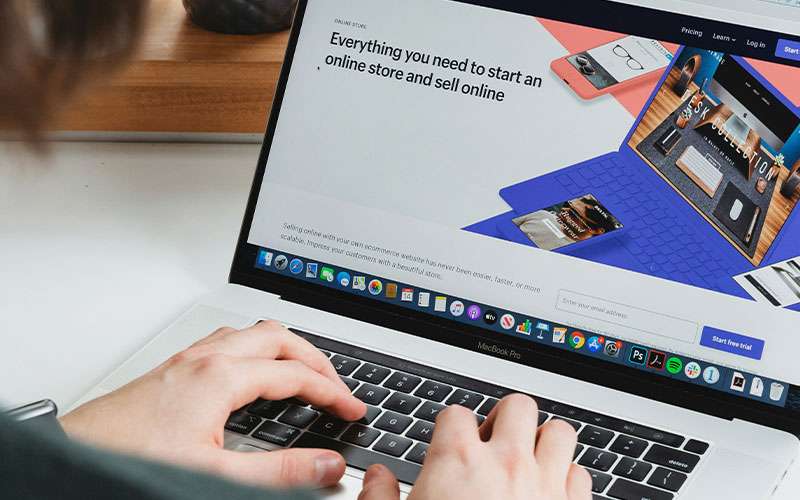
Woo Commerce vs Shopify: Choosing the Ideal Platform for Your Online Store   Deciding on the right e-commerce system is a critical step toward building and scaling a thriving online business. Among the leading contenders are Woo Commerce and Shopify, both offering compelling benefits along with some limitations. Below is an in-depth comparison to help you determine which one suits your business vision best. 1. User-Friendliness Woo Commerce Setup Process: As a Word Press plugin, Woo Commerce requires you to first have a Word Press website in place. The installation and configuration process can be a bit technical for newcomers to the platform. Day-to-Day Management: Once installed, Woo Commerce gives extensive freedom and control. That said, balancing Word Press management alongside an online shop may feel complex for beginners. Shopify Setup Process: Shopify is a fully hosted service, meaning hosting, security, and technical upkeep are already managed. Starting a store is quick and seamless, even for complete novices. Day-to-Day Management: Its sleek, intuitive dashboard makes it simple to upload products, track orders, and oversee store performance without requiring coding knowledge. 2. Design and Flexibility Woo Commerce Creative Control: Being open-source, Woo Commerce allows store owners to modify nearly every aspect. With coding skills—or help from a developer—you can achieve a highly customized online shop. Themes and Add-ons: An extensive library of plugins and themes makes it possible to integrate advanced features, from analytics to tailored checkout processes. Shopify Creative Control: Shopify supports personalization through its theme editor and Liquid language, though the scope is narrower compared to Woo Commerce’s open-source framework. Apps and Templates: The app store provides a wide variety of tools and professionally designed templates. However, some advanced features may only be accessible through paid apps. 3. Cost Structure Woo Commerce Core Pricing: The plugin itself is free, but expenses arise from hosting, domain registration, premium themes, and advanced plugins. The total investment depends on your chosen setup. Extra Costs: Additional expenses may occur if you opt for paid extensions or hire professionals for custom development. Shopify Core Pricing: Shopify’s subscription plans begin at $29 per month, with higher tiers unlocking more advanced tools and reporting features. Extra Costs: Costs can rise when factoring in premium themes or third-party apps, which may be required for specialized functionality.  4. Marketing and Visibility Woo Commerce SEO Capabilities: Built on Word Press, Woo Commerce provides robust SEO options and access to a wide array of optimization plugins, giving you full authority over your strategy. Promotional Tools: A broad collection of marketing extensions allows for personalized campaigns and sophisticated tracking. Shopify SEO Capabilities: Shopify includes strong SEO features right out of the box, though users have slightly less granular control compared to Woo Commerce. Promotional Tools: Built-in marketing features and seamless integrations with advertising platforms make it simple to promote products effectively. 5. Growth and Performance Woo Commerce Scalability: Highly scalable, though long-term growth depends on the quality of your hosting provider and technical maintenance. Expanding to large-scale operations may require advanced hosting solutions. Store Speed: Performance levels vary based on optimization practices and server resources. Shopify Scalability: Shopify handles infrastructure, making it easy to scale from small startups to enterprise businesses without worrying about servers or upgrades. Store Speed: Performance remains stable and reliable due to Shopify’s fully managed hosting environment. 6. Assistance and Resources Woo Commerce Help Options: Woo Commerce doesn’t offer direct customer support. Assistance comes from documentation, user forums, or third-party developers. Learning Materials: A wealth of guides, tutorials, and community discussions is available, making troubleshooting manageable. Shopify Help Options: Provides 24/7 customer service through chat, email, and phone, ensuring quick access to expert guidance. Learning Materials: Extensive knowledge hubs, tutorials, and training sessions help users maximize their store’s potential. When Woo Commerce is the Right Choice: Ideal if you already operate a Word Press website and want a seamless e-commerce extension. Best for businesses that need extensive customization and advanced flexibility. Suited for those who want to start with a low-cost base and scale expenses as the store grows. When Shopify is the Better Option: Perfect for entrepreneurs who want an all-in-one, maintenance-free solution. Recommended if constant customer support is a priority. Best for store owners who prefer to avoid technical tasks like server setup and security management. Closing Note Both Woo Commerce and Shopify are powerful contenders in the e-commerce space, but your ideal choice depends on your resources, technical background, and long-term goals. Woo Commerce offers maximum freedom and scalability for those comfortable with Word Press, while Shopify provides a streamlined, fully managed solution for quick and reliable store management.    

Read More

Best Ways Of Optimizing Your Google My Business Page

Smart Strategies to Optimize Your Google My Business Listing   Maximizing your Google My Business (GMB) profile is vital for boosting local visibility and attracting potential clients in your area. Below are effective practices to ensure your GMB listing is fully optimized:\ 1. Fill Out Every Detail Completely Make sure your profile is comprehensive and accurate. Include: Official Business Name Exact Address Contact Number Website Link Business Category/Industry Operating Hours 2. Showcase with Quality Media Visuals help your listing stand out. Upload clear, high-resolution images of your premises, team, and services. Share short videos that highlight offerings, customer stories, or behind-the-scenes views. Update visuals frequently to keep your profile dynamic. 3. Maintain Consistent Contact Information Your Name, Address, and Phone Number (NAP) should be uniform across all online directories. Consistency builds reliability with search engines and customers alike. 4. Choose Relevant Categories Select the most precise primary category for your company and add secondary ones if applicable. This helps Google better categorize your business and improves local search accuracy. 5. Craft an Engaging Business Overview Write a concise, engaging description that explains what you do. Highlight your strengths, distinctive services, and value proposition to attract more visitors. 6. Share Updates Frequently Leverage Google Posts to publish news, promotions, events, or special offers. Consistent posting signals activity and keeps your audience engaged. 7. Manage Reviews Actively Encourage happy clients to leave positive feedback. Reply to all reviews—whether favorable or critical. Thank customers for positive comments and handle complaints professionally. Responding regularly improves your reputation and strengthens local SEO. 8. Utilize the Q&A Section Pre-populate frequently asked questions with clear answers. Keep an eye on queries from potential customers and reply promptly to provide helpful information. 9. Incorporate Keywords Naturally Weave relevant search terms into your description, services, and posts. This improves your ranking when people search for products or services like yours. 10. Enable Online Bookings If your business is appointment-based, add a booking button so customers can schedule directly from your GMB profile. This improves convenience and conversions.  Closing Note: Enhancing your Google My Business profile is not a one-time task—it requires ongoing attention. By consistently updating information, engaging with reviews, and sharing content, you can strengthen your digital presence, attract more local customers, and position your business for long-term success.  

Read More

Unleashing the Power of Social Media

Amplifying Your Brand Presence on Social Platforms   Harnessing the Potential of Social Media for Business Growth In today’s fast-evolving digital world, social media is more than just a communication tool, it’s a powerful platform for businesses to connect, influence, and grow. When used strategically, social media marketing can elevate brand visibility, attract potential customers, and foster meaningful engagement. Here’s how businesses can leverage social media to drive results and build lasting relationships. Know Your Audience Inside Out The foundation of successful social media marketing is a deep understanding of your audience. Analyze demographics, interests, behaviors, and pain points to tailor content and engagement strategies effectively. Knowing your audience allows you to deliver the right message on the right platform, increasing engagement and driving conversions. Craft Engaging and Valuable Content Compelling content is the heart of social media success. Create posts that inform, inspire, or entertain your followers. Utilize a mix of formats, videos, images, stories, info graphics, and live streams, to capture attention and maintain interest. Share expert tips, behind-the-scenes glimpses, client testimonials, and interactive content to encourage conversations and active participation. Leverage Influencer Collaborations Influencer partnerships can amplify your reach and boost credibility. Identify influencers whose values align with your brand and collaborate on campaigns that resonate with their followers. Authentic partnerships not only introduce your products or services to a wider audience but also strengthen trust and engagement with potential customers. Engage and Build Community Social media is more than broadcasting; it’s about conversation. Respond promptly to comments, messages, and mentions, and address concerns with professionalism. Participate in industry-related discussions, share insights, and contribute valuable advice. Building a strong community fosters loyalty, enhances brand perception, and encourages repeat interactions. Invest in Targeted Paid Campaigns Organic reach is valuable, but paid campaigns can elevate your social media strategy. Platforms like Facebook, Instagram, LinkedIn, and Twitter allow precise audience targeting. Define objectives, optimize ad visuals and copy, and continuously monitor performance to maximize results. Paid promotions complement organic content, extend reach, and accelerate growth. Conclusion Strategic social media marketing can transform how businesses connect with their audience. By understanding your audience, delivering meaningful content, building authentic relationships, and leveraging paid campaigns, your brand can achieve higher visibility, stronger engagement, and sustainable growth in today’s competitive digital landscape.

Read More